

Last week, I stood in front of five of the most successful investors in America and pitched BoxBlayde. The cameras were rolling, the lights were hot, and yeah, I was nervous. But here's the thing: walking away from that experience, we realized something pretty profound. The validation we received along this journey has always been more valuable than any valuation number on a term sheet.
Let me take you back to where this all started.
From Napkin Sketch to Working Prototype
Every entrepreneur has that "aha" moment. Mine came while fighting a pile of boxes in my garage on a Sunday night. This was something I did every Sunday night out of necessity, to fit all of my recyclables into the blue bin. 5-6 cuts then flipping the blade over for another 5-6 cuts was getting old really quick. I did cut myself a few times but the biggest issue was procrastination. I really hated cutting up the week's boxes so I would skip a week here or there until the pile was taking up way too much space in my garage. The boxes weren't going to stop and my recycle bin wasn't getting any bigger so I thought.... there has to be a better way.
I purchased a rotary cutter made by a very popular tool company thinking it would help but it turned out to be even more frustrating. It was definitely slower than a manual blade but it also used a proprietary 10 sided blade which cost about $6 each to replace. Adding insult to injury, the blade kept jumping over the guide and eventually it died. I bought another one and the same thing happened a few months later. Why isn't there a tool that you pull like a normal knife vs push, that uses standard utility knife blades and works really fast?
So like most crazy ideas, BoxBlayde started as sketches on napkins, whiteboard scribbles, and late-night conversations about whether a battery powered box cutter could actually work. The first validation? My co-founders didn't think I was completely insane. That's step one, right?
But sketches don't cut cardboard. We needed a prototype.
Those early months were a blur of 3D modeling, sourcing components, testing blade mechanisms, and probably going through more cardboard boxes than any small team should. We burned through close to 30 different prototypes before we had something that felt right in the hand and actually worked the way I envisioned.
The real validation came when we handed it to friends, family and warehouse workers, the people who would actually use this thing daily. Their eyes lit up. They got it immediately. No explanation needed. That's when we knew we had something.
The Kickstarter Leap
With a working prototype and real user feedback, we faced our next big question: would people actually pay for this?
Enter Kickstarter.
Launching a crowdfunding campaign is terrifying. You're putting your baby out there for the world to judge. But we believed in what we built, so we went for it. Our goal was modest, enough to fund our first production run and validate that there was genuine market demand for an electric box cutter.
What happened next blew us away.
We didn't just hit our goal, we crushed it. Hundreds of backers pre-ordered BoxBlayde, sharing our vision of making box cutting safer, faster, and easier. Every pledge was validation. Every comment and question showed us that we were solving a real problem for real people.
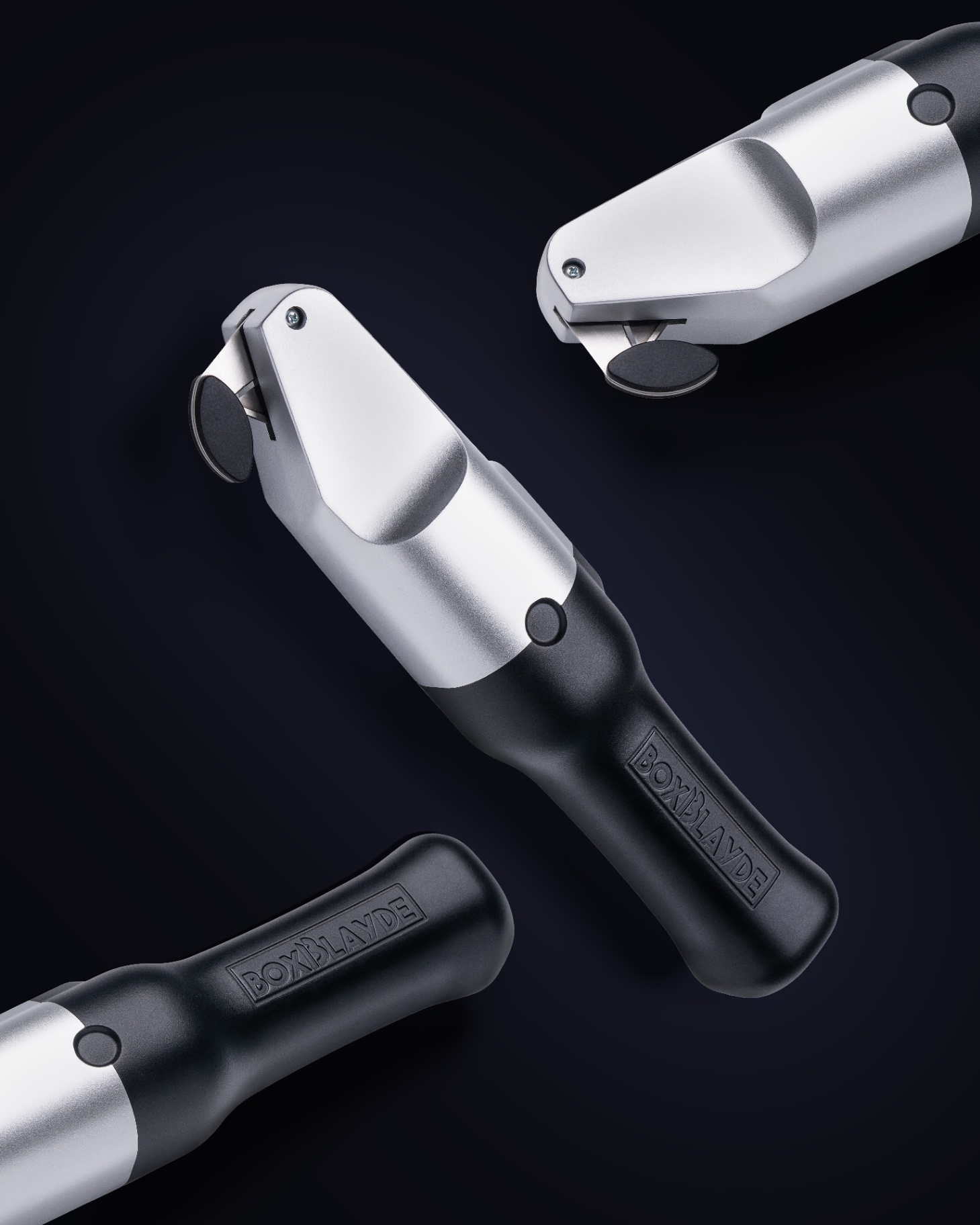
That Kickstarter campaign taught us something crucial: validation comes from customers willing to take a chance on you, not from perfect pitch decks or fancy projections. These people trusted us to deliver, and that responsibility drove everything we did next.
Scaling Up and Shipping Out
Post-Kickstarter was its own rollercoaster. Manufacturing challenges, supply chain headaches, quality control obsessions, all the fun stuff they don't show in startup success stories. But with every obstacle, we had hundreds of backers counting on us. That's powerful motivation.
When we finally started shipping BoxBlayde units to our Kickstarter backers, the feedback poured in. Warehouse managers telling us we'd saved their teams hours of work. Small business owners raving about the safety improvements. DIY enthusiasts who'd never go back to traditional box cutters.
Each five-star review, each customer photo, each story about how BoxBlayde made someone's day easier, that's validation you can't buy.
Our products page went live, and suddenly we weren't just a Kickstarter success story. We were a real company with real customers and real revenue. Businesses started reaching out. Our business solutions began taking off as companies saw the value in equipping their teams with better tools.
Walking Into the Tank
So why Shark Tank? By the time we filmed the episode, BoxBlayde was profitable and growing. But Shark Tank represents something different, it's the ultimate validation stage for new consumer products in America.
We applied, made it through the screening process, and suddenly I found myself in Culver City, preparing to pitch the Sharks.
The preparation was intense. I practiced the pitch hundreds of times, tried to anticipate every possible question, and stress-tested our numbers until I could recite them in my sleep. But here's what you don't see on TV: the hours of waiting, the pressure of filming, and the very real knowledge that this conversation would be watched by millions of people.
When finally, I walked through those doors, carrying our electric box cutter and facing the Sharks, everything we'd built led to that moment.
The Pitch and the Offers
I'm not going to spoil everything that happened in the Tank, you'll have to watch the episode for that. But I can tell you this: the Sharks got it. They understood the problem we were solving and saw the market opportunity.
We received multiple offers. Real, genuine interest from investors who could take BoxBlayde to the next level. And yeah, that felt amazing. After years of grinding, hearing Sharks compete for a piece of your company is validation on another level.
But here's where our story takes a different turn than most Shark Tank pitches.
We said no.
Not because the offers weren't generous. Not because we didn't respect the Sharks. We turned them down because the valuation didn't reflect what we'd already built and where we knew BoxBlayde was headed.
Why We Walked Away
This decision might seem crazy to some people. "You walked away from Shark Tank money? Are you insane?"
But here's the thing about validation versus valuation: we'd already been validated. Our customers validated us. Our Kickstarter backers validated us. Our growing sales validated us. Our positive reviews and repeat business validated us.

The valuation being offered, while fair from an investor's perspective, didn't account for the foundation we'd built, the community we'd grown, and the trajectory we were on. Giving up a significant chunk of equity makes sense for some companies, but not for us at that number.
We built BoxBlayde without venture capital. Every dollar came from our friends and families, and eventually our customers. We did it the hard way, and that slow, steady validation gave us the confidence to say no when the terms didn't feel right.
Mr. Wonderful Isn't So Terrible
I have to address something that surprised us: Kevin O'Leary, aka "Mr. Wonderful," is actually wonderful in person. The TV persona is real: he's direct, numbers-focused, and doesn't sugarcoat anything. But off-camera? Incredibly gracious, genuinely interested in our story, and honestly encouraging.
He gave us advice that had nothing to do with his offer, shared insights about scaling consumer products, and wished us well even after we declined. That's the kind of class you don't always see edited into the final cut.
All the Sharks, actually, were professional and respectful. Even when negotiations got tense, there was mutual respect for what we'd built and how we'd built it.
The Real Win
Walking out of the Shark Tank without a deal might look like a loss on paper. But the real win was that it validated our approach: build something people actually need, listen to your customers, deliver on your promises, and grow sustainably. No shortcuts. No hype. Just a really good electric box cutter and a team committed to making it better every day.
What's Next for BoxBlayde
So where do we go from here? The same direction we've always been headed: forward.
We're expanding our product line, improving our existing designs based on customer feedback, and exploring new markets where BoxBlayde can make a difference. Our accessories are growing, and we're developing solutions specifically for different industries.
The validation we've received: from that first prototype test to our Kickstarter success to standing in front of the Sharks: has shown us that BoxBlayde isn't just a product. It's a better way of working, and people recognize that value when they see it.
We're still a small team, and still answering directly to our customers rather than a boardroom of investors. That's exactly how we want it.
The Lesson: Trust Your Journey
If there's one thing I want other entrepreneurs to take away from our story, it's this: validation comes in many forms, and not all of them involve checks from investors.
Every customer who chooses your product validates your vision. Every problem you solve validates your approach. Every challenge you overcome validates your determination. Building a business is a series of small validations that eventually add up to something bigger than any single moment in the spotlight.
Shark Tank was incredible: a milestone we'll never forget. But it was just one step in a longer journey that started with a simple idea and continues with every BoxBlayde we ship.
We're grateful for everyone who's been part of this ride: our early believers, our Kickstarter backers, our current customers, and yes, even the Sharks who saw potential in what we're building.
Want to be part of the BoxBlayde story? Come see why thousands of people have ditched their old box cutters for something better. Because at the end of the day, the best validation comes from you: the people who use our product every day and keep coming back for more.
Here's to validation over valuation, and to building something that actually matters.